

Over the past few years, we have had children in our school district and community die in tragic accidents.
Their deaths were met with an enormous outpouring of care and remembrance. Vigils. Memorials. Photos. Posts. Their names spoken aloud freely by neighbors and community leaders. Their schools publicly honoring their lives. In one case, a tree near the site of the accident is still decorated several months later, a visible reminder that this child mattered, that her life is remembered. In another case a large mural.
These responses are human, appropriate, and deeply moving.
And they stand in stark contrast to how other children in this same district and community have been treated in death.
In this same period of time, several other children in our community have also tragically died of suicide.
Their names are not widely spoken. Their lives are not publicly remembered. There are no long standing memorials. No community and neighborhood vigils. No photos. Their siblings and close friends return to school largely unseen in their grief. In our case, grief absences were limited. The community response is not one of remembrance, but of abstraction. There are vague statements about “mental health,” reminders to “reach out,” carefully worded posts that do not directly name what actually happened or who was lost. Comments on posts are closed or edited. We may call this “respect” but it feels more like fear.
Officially, the policy says all deaths should be treated the same. In practice, they are not.
The Difference We Don’t Talk About
When a child dies in an accident, we grieve openly. We allow ourselves to say their name. We tell stories about who they were. We hold space for the loss. When a child dies by suicide, however, we grow quiet.
We speak around the death instead of about it. We move quickly to generalities. Most of the “help” is not actually directed to the people who most need it: namely the family, the friends and those who have suffered a similar crisis or loss. We move into prevention language and platitudes without first honoring the actual person who is gone. In trying to be careful, we erase. In trying to get it “right,” we fail to identify and acknowledge those who may be most vulnerable.
I understand that suicide, death, and conversations about systemic failure tend to make people deeply uncomfortable. I understand the fear of saying the wrong thing, of doing harm, of “contagion.” These concerns are valid. But silence also does real and measurable harm, and it is harm we rarely acknowledge.
When a child who dies of suicide is not named, something is communicated whether we intend it or not. We communicate that this death is different. That this grief is harder to hold. That this life is more complicated to remember. Families and friends whose loved ones have died by suicide feel that difference acutely.
What Erasure Looks Like from the Inside
After my daughter Maisa died, I watched people around me speak often about support, awareness, and mental health. Meanwhile, her life went largely unnamed, my sons lacked support they needed, and my family felt the silence.
I watched my two surviving sons grieve a loss that was both devastating and strangely invisible. Their pain did not fit neatly into the frameworks offered. There were posters and themed weeks and broad messaging, but very little direct care for the children who were actually hurting.
It was disorienting to hear so much talk about “reaching out” while feeling a lack of real reaching toward us in the ways we needed. I found myself pleading for a kind of help that wasn’t there. When looking for a support group for my sons I had a counselor tell me it didn’t exist because parents are “uncomfortable” talking about suicide.
We reached out, repeatedly, and found very little there to hold us.
This is not unique to our family. Many families who lose a child to suicide describe the same experience: the sudden quiet, the careful distance, the sense that their grief is something others don’t quite know what to do with. So people distance themselves. It’s easier to chalk sidewalks and post hotline numbers than sit with the discomfort of real grief and do the work to change the systems that failed.
I want to acknowledge that this is difficult. These conversations are hard. If I were on the other side of this, I am not sure I’d do it well either. But we must be willing to lean in, to learn from each others’ lived experiences, and to ask honest and difficult questions if we want to make real and lasting changes. This is true in any relationship (including and especially the one we have with ourselves) and throughout society.
When Silence Teaches the Wrong Lesson
When suicides are not named, struggling kids learn that some kinds of pain should stay hidden. They learn that there are losses we can acknowledge publicly, and others we must manage quietly. Children and young adults notice this hypocrisy. I worry about what our silence teaches the children who are still here.
When schools and communities respond to suicide primarily with generalized awareness campaigns, rather than visible, sustained support for affected students and families, it can feel performative rather than protective. Well-intentioned efforts risk becoming substitutes for the harder work of noticing who is actually struggling, who is most impacted and staying with them over time.
It is not enough to say we care about mental health while continuing patterns that leave the most vulnerable students unseen. It is not enough to send an email offering grief resources without teaching grief skills. Grief does not dissipate. It is integrated. It is carried, for a lifetime. We do our children a great disservice when we show them violent and graphic images in classes, when we teach about death and war, and yet ignore the grief that is all around them.
Honoring Is Not Glorifying
Naming a child who has died of suicide and honoring a life is not the same as glamorizing their death. In fact, I would argue that when adults adjust how they are honoring a life according to the manner of death it sends the wrong message to those who may otherwise seek help. It actually increases stigma.
We are capable of nuance. We can acknowledge the reality of suicide while still acting responsibly. We can honor a child’s life without centering the manner of their death. We can support siblings and friends without fear that compassion itself is dangerous.
Avoidance is not neutrality. It shapes culture just as much as action does.
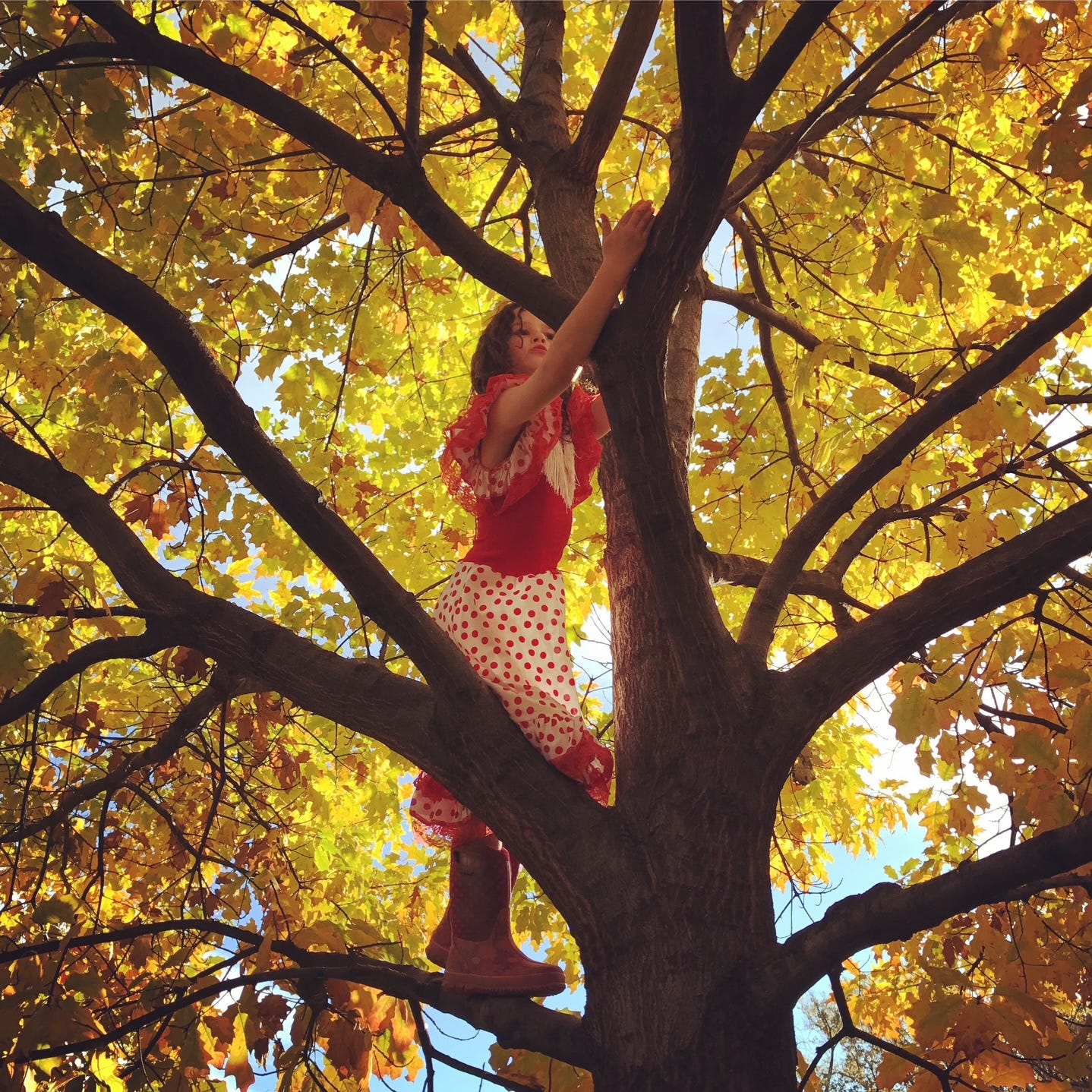
My daughter Maisa is extraordinary. She lived an amazing life, full of brilliance, kindness and care for humans, animals and the Earth. She embodied many qualities that we could and should all learn from. She deserves to be honored and remembered, fully, just as any other human that has walked this Earth. She is not the illness that took her. She is the life that she lived. She is even more than that. She is the soul that continues to teach and guide me and many others.
A Gentle Question for Our Community
I am writing this because change does not happen unless we examine systems honestly. Children tend to notice what adults do not name out loud. If we say that every child matters, then every child deserves to be remembered.
If we say that mental health is a priority, then our care should extend beyond slogans and themed weeks to the children who are actually in pain, especially after loss. And if we truly want to reduce stigma, we need to stop separating mental and physical health. They are the same. The brain is an organ. Pretending someone suffering from an illness of the brain can simply control their suffering is like pretending someone with cardiovascular disease can control a heart attack. It perpetuates stigma and deepens the suffering.
Some of the most vulnerable children are sibling and friend survivors of suicide loss. And they are also some of the least supported in their grief. It is not supportive when they see the community and people around them erasing the life of their loved one.
If we believe that connection saves lives, then silence should never be our default response.
So I want to ask a question that feels important to sit with:
Which lives do we allow ourselves to grieve aloud, and which ones do we ask to disappear?
This is what suicide erasure looks like in real time.
Not hatred. Not cruelty. Something more subtle and, perhaps, more damaging: a collective decision that some losses can be spoken aloud while others must be handled quietly.
Every child deserves to be remembered. Every family deserves to hear their child's name spoken without fear, discomfort, or shame.
Maisa was indeed a magical child and her brothers are equally special in their own way. My family experienced death by suicide when both my children lost friends to suicide. My daughter still is in touch with a sister and the mother of her dear friend who died when he was 19. She now is 50 and has kept the family close in her life since his death. Ignoring any kind of pain never works in the long run and no child deserves to be only remembered by the means of their death. Love always to you and your family.